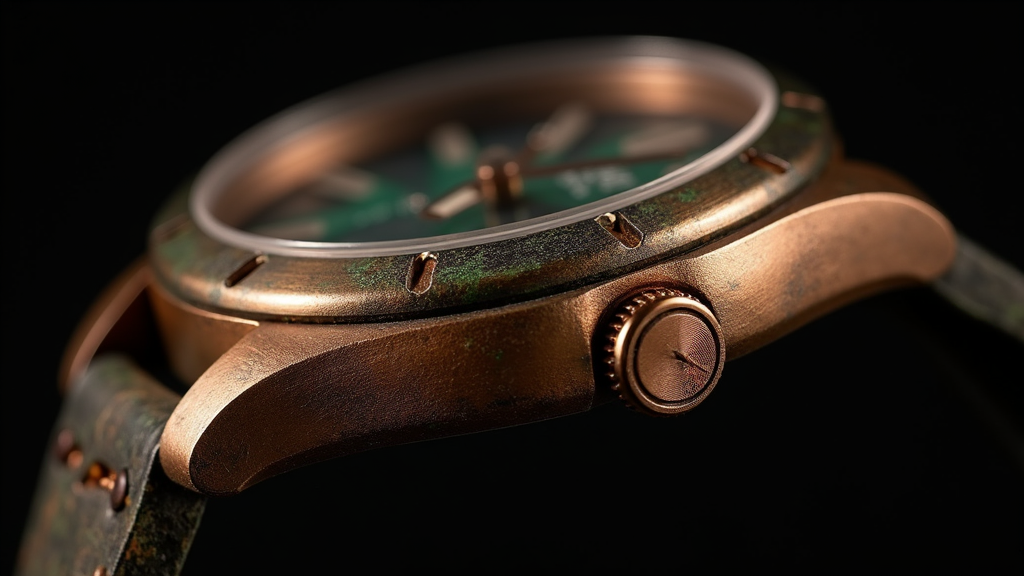
Bronze Watches: The Metal That's Meant to Age
Most watch materials are chosen to resist change. Stainless steel shrugs off corrosion. Ceramic laughs at scratches. Titanium ignores the years. Bronze does something almost heretical by comparis...
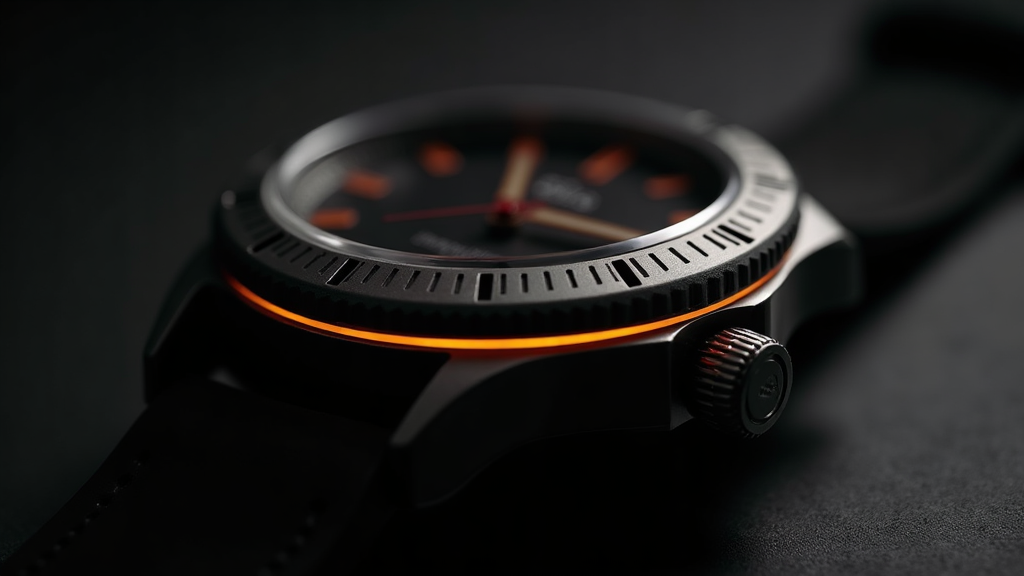
Ceramic in Watchmaking: The Scratch-Proof Material That Reinvented the Modern Case
For most of horology's history, the metal on your wrist was destined to scar. Steel scuffs, gold dents, and even hardened alloys eventually wear the story of every desk edge and door frame they m...
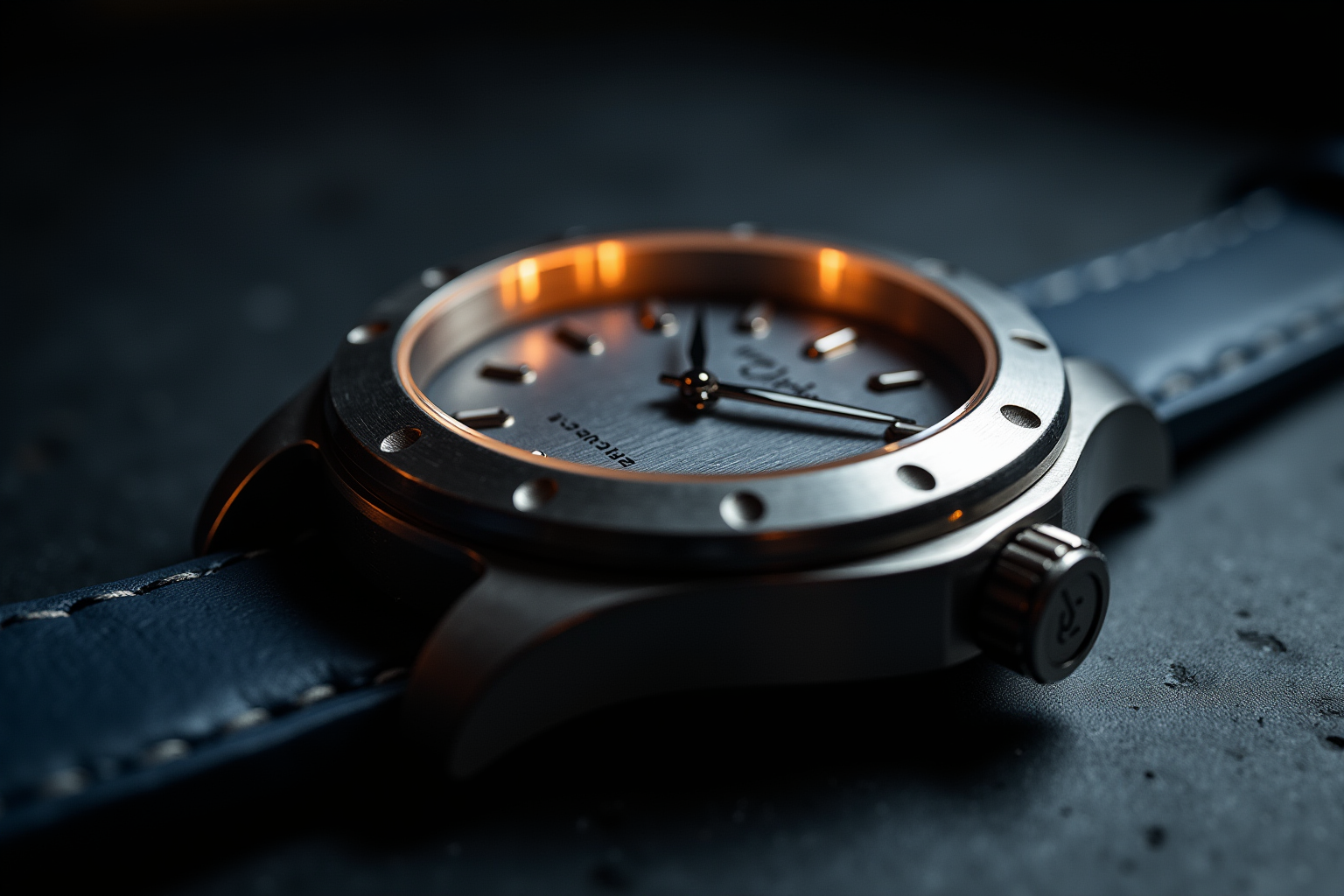
Titanium in Watchmaking: The Aerospace Metal That Changed the Wrist
Strong as steel. Lighter than aluminum. Hypoallergenic, corrosion-proof, and stubbornly difficult to machine. Titanium took half a century to escape the cockpit and reach the wrist — and once it ...

Sapphire Crystal: The Synthetic Gem That Protects Every Modern Watch
Look at the watch on your wrist. The clearest, most invisible part of it — the window over the dial — is almost certainly the second-hardest material on Earth, grown one crystal at a time insid...
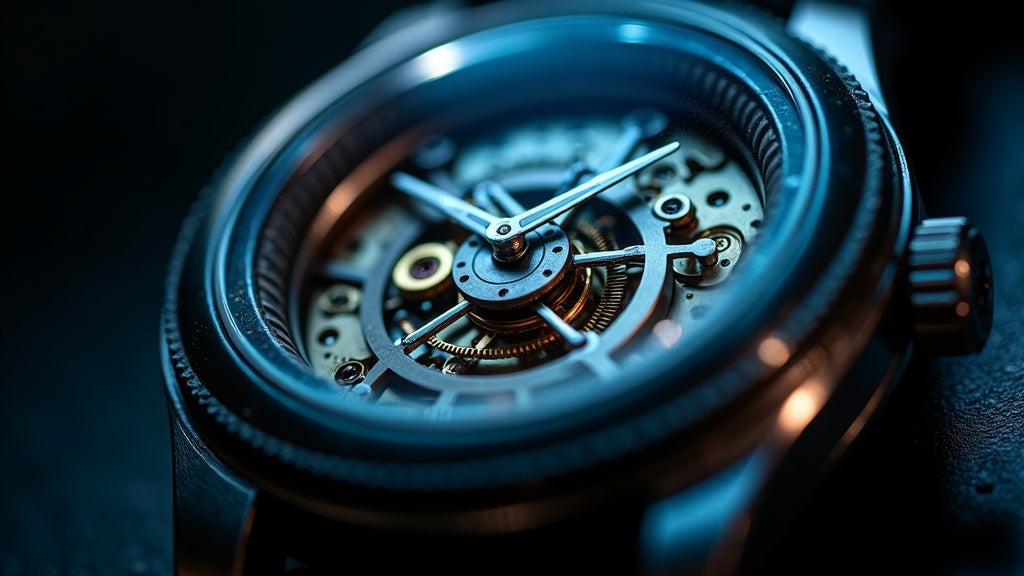
Antimagnetic Watches: How Horology Beat the Modern World
You can't see them, but they're everywhere. Speakers in your headphones, the magnetic clasp on your laptop bag, the induction cooktop, even the back of your phone. Magnetic fields are the invisib...
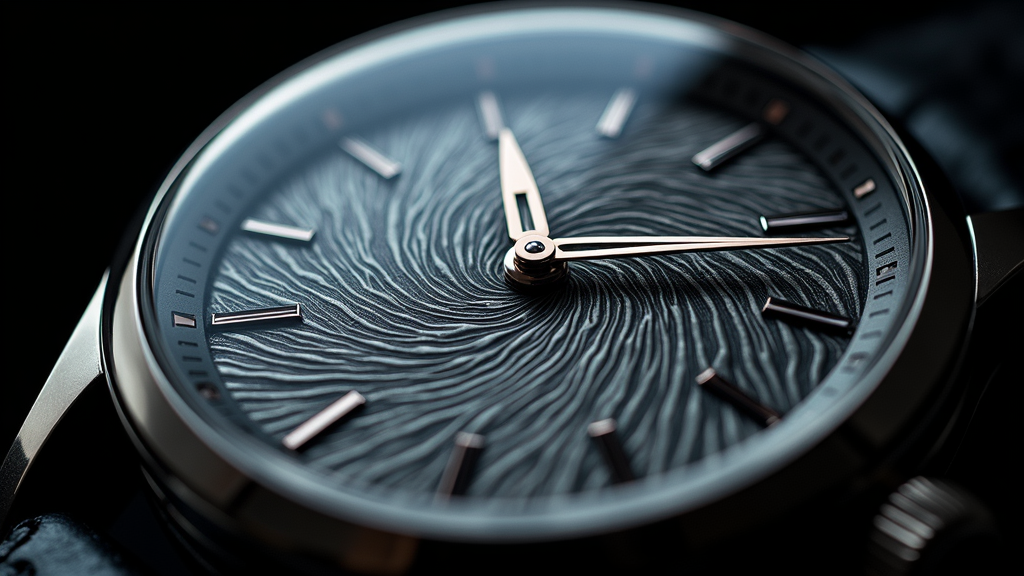
Damascus Steel in Watchmaking: Pattern Forged in Fire
Look closely at a Damascus steel dial and your eye refuses to settle. The pattern flows like a river caught mid-current — dark eddies, bright crests, swirls that seem to move when the light shift...