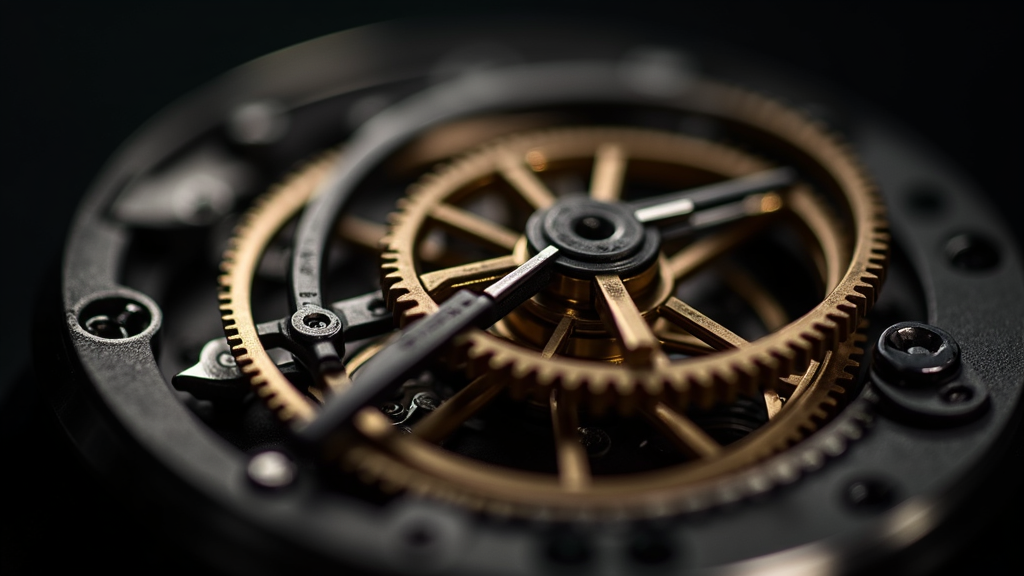
The Column Wheel: The Mechanical Conductor Behind the Finest Chronographs
Press the pusher on a fine chronograph and something small happens that you can feel more than see: a crisp, positive click, the second hand leaping to life with zero hesitation. Press it on a le...
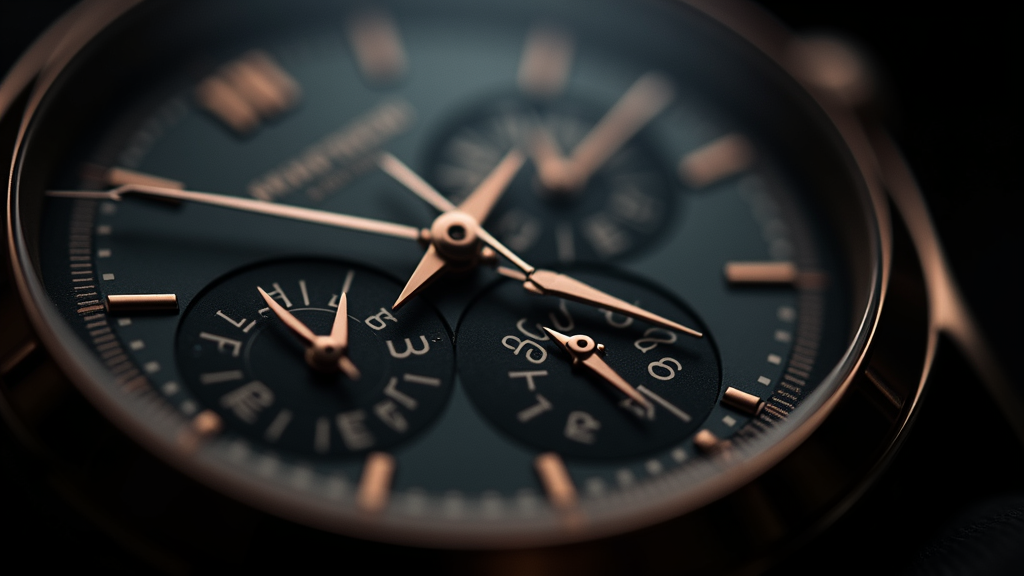
The Régulateur Dial: Why Watchmakers Separate the Hours, Minutes, and Seconds
Most watch dials are a beautiful compromise. Three hands sweep across a single track, overlapping, crossing, occasionally hiding one another at the top of the hour. We are so used to this arrange...
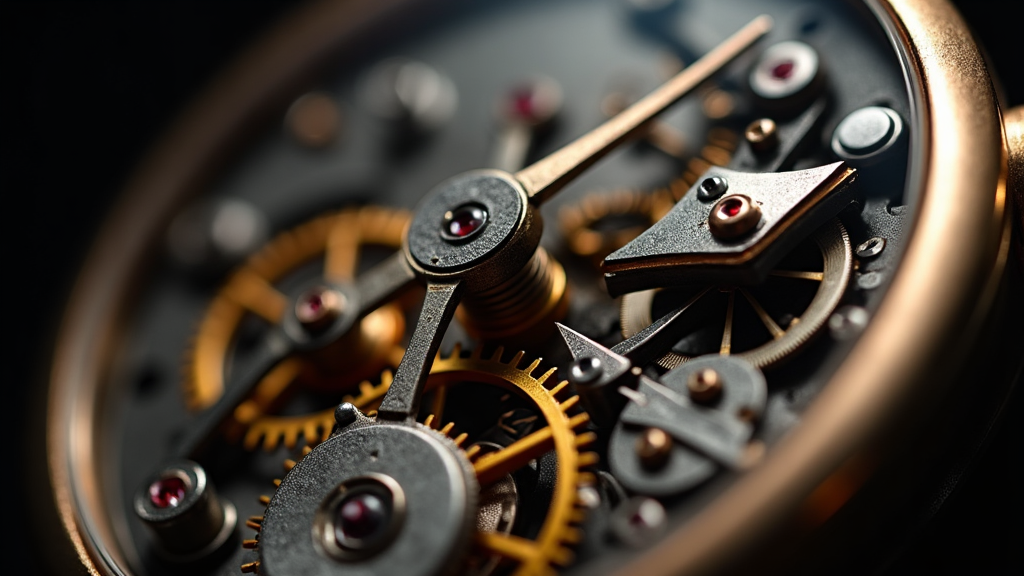
Fusée and Chain: Watchmaking's Constant-Force Cathedral
Inside the most revered mechanical watches ever built sits a mechanism that looks less like clockwork and more like miniature industrial machinery: a tiny brass cone wrapped in a chain no thicker...
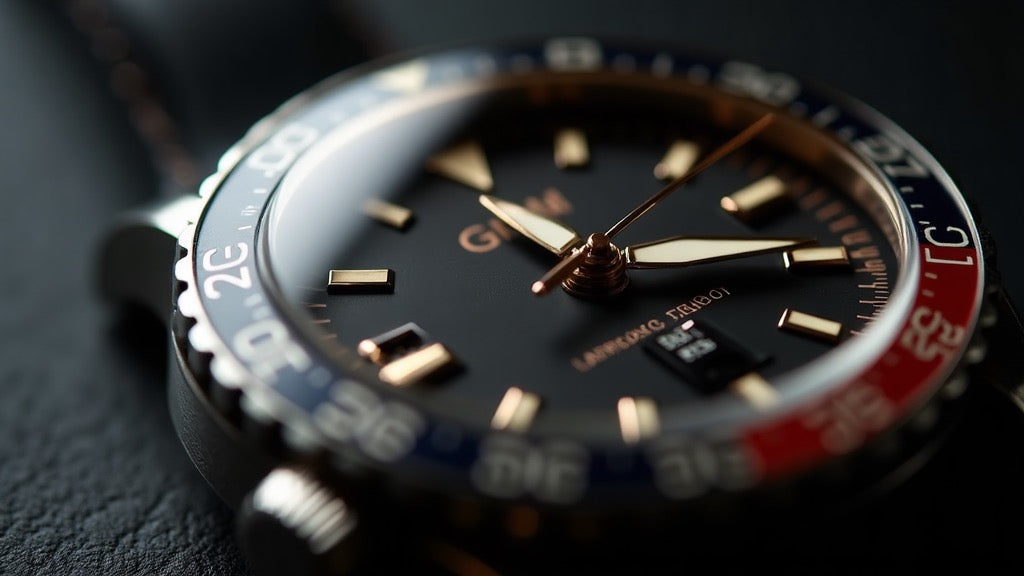
The GMT Complication: How Watchmakers Put Two Time Zones on One Dial
There is a particular kind of clarity in glancing at your wrist and knowing, instantly, what time it is somewhere you are not. A pilot crossing the Atlantic. A trader watching markets open in Tok...

The Equation of Time: Watchmaking's Astronomical Reconciliation
Here is a fact that quietly undoes everything you thought you knew about time: the sun is almost never on time. The watch on your wrist, the clock on your wall, the atomic standard humming in B...
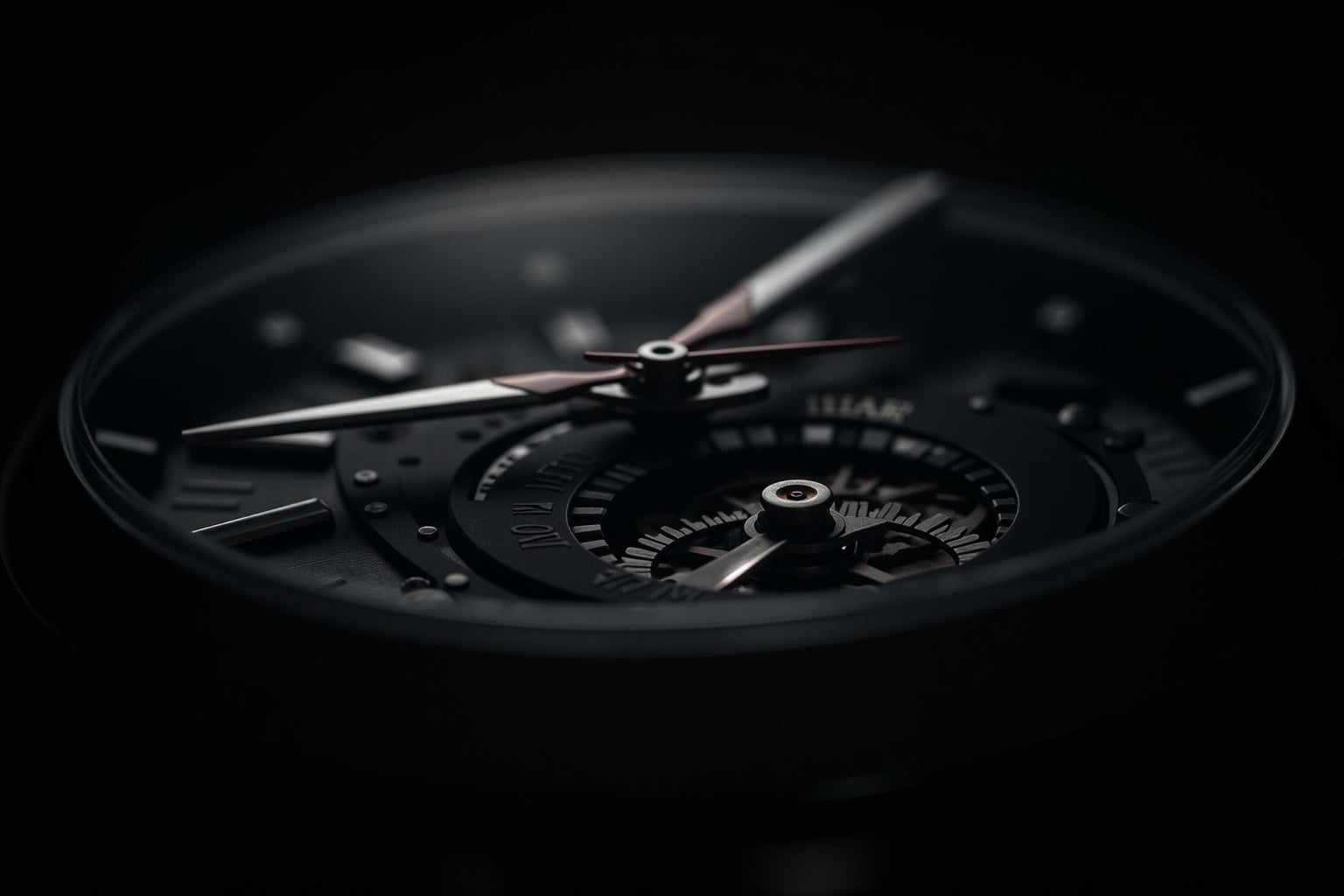
The Retrograde Display: Watchmaking's Theatrical Trick
It's the closest thing watchmaking has to theater. A hand sweeps confidently across an arc, reaches its limit, and then — in a single, satisfying snap — flies back to zero to begin again. The ret...