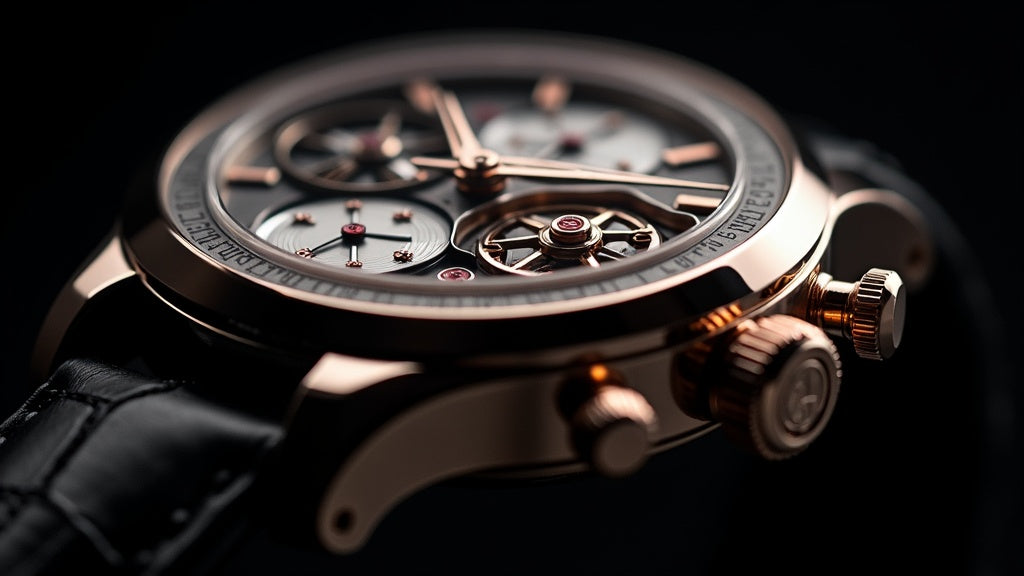
The Chronograph: Watchmaking's Stopwatch on a Strap
Press the top pusher. A second hand sweeps to life from twelve, gliding across the dial in a single, fluid motion. Press it again — it freezes mid-air. A third press, and it snaps back to zero wi...
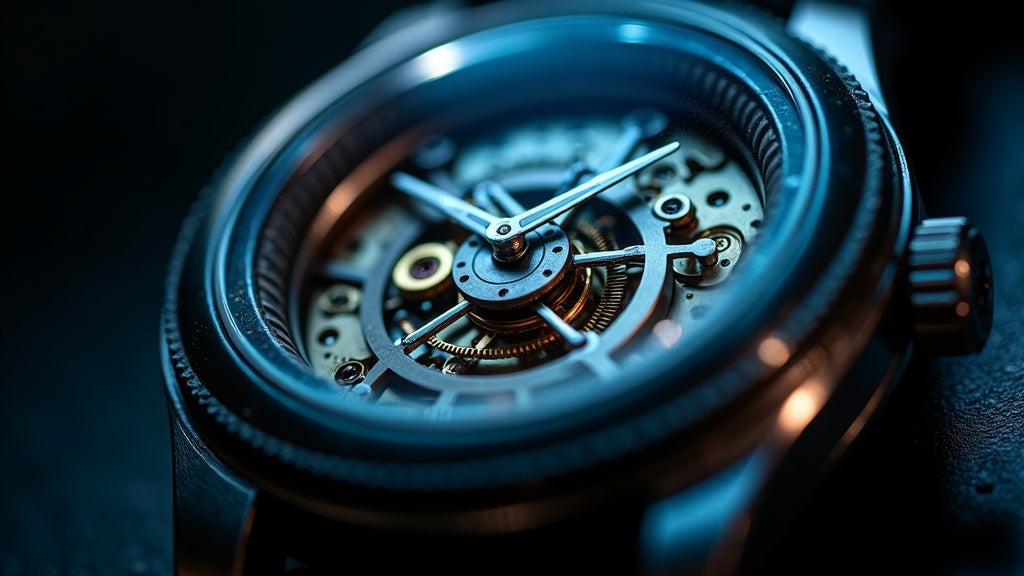
Antimagnetic Watches: How Horology Beat the Modern World
You can't see them, but they're everywhere. Speakers in your headphones, the magnetic clasp on your laptop bag, the induction cooktop, even the back of your phone. Magnetic fields are the invisib...
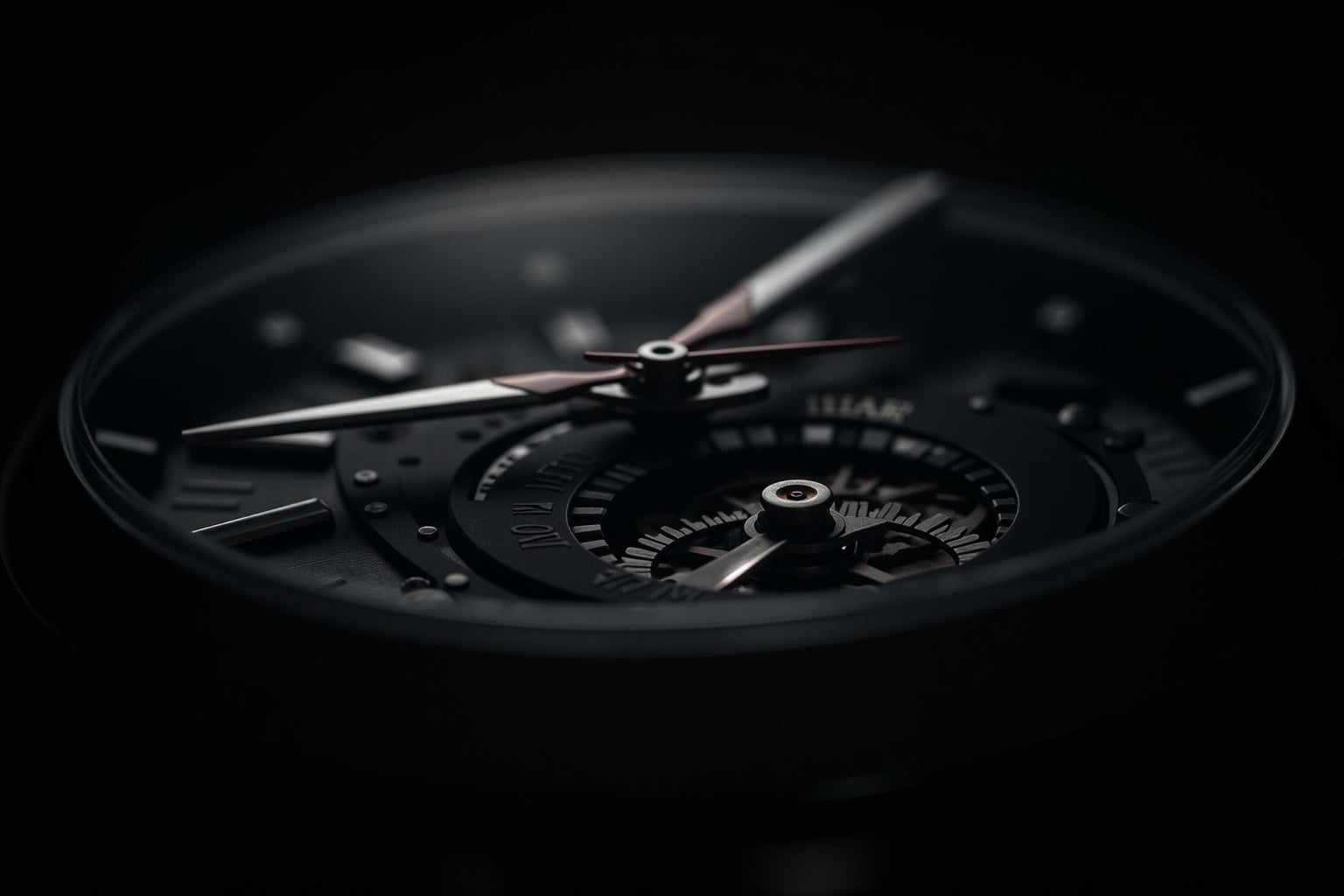
The Retrograde Display: Watchmaking's Theatrical Trick
It's the closest thing watchmaking has to theater. A hand sweeps confidently across an arc, reaches its limit, and then — in a single, satisfying snap — flies back to zero to begin again. The ret...
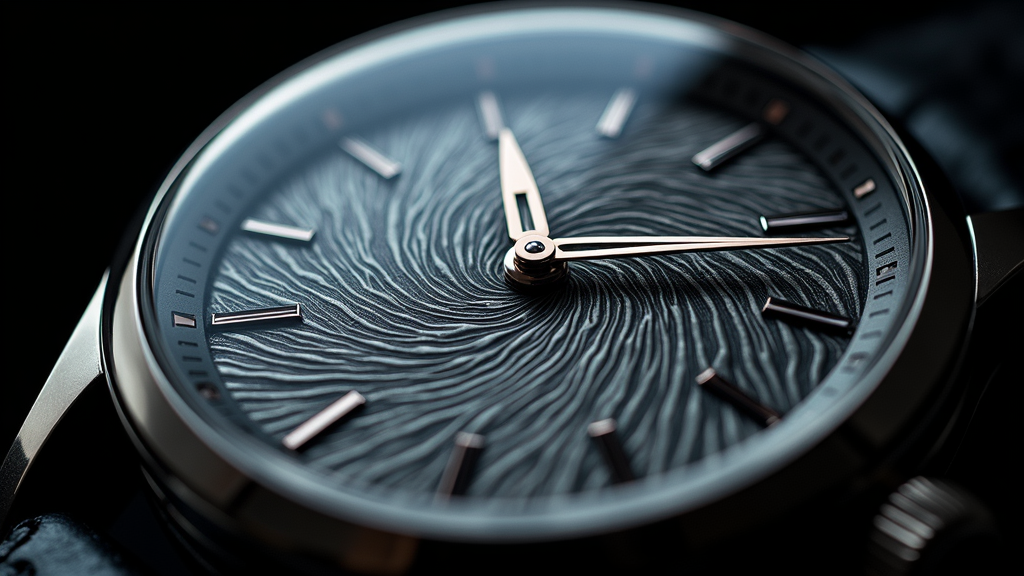
Damascus Steel in Watchmaking: Pattern Forged in Fire
Look closely at a Damascus steel dial and your eye refuses to settle. The pattern flows like a river caught mid-current — dark eddies, bright crests, swirls that seem to move when the light shift...
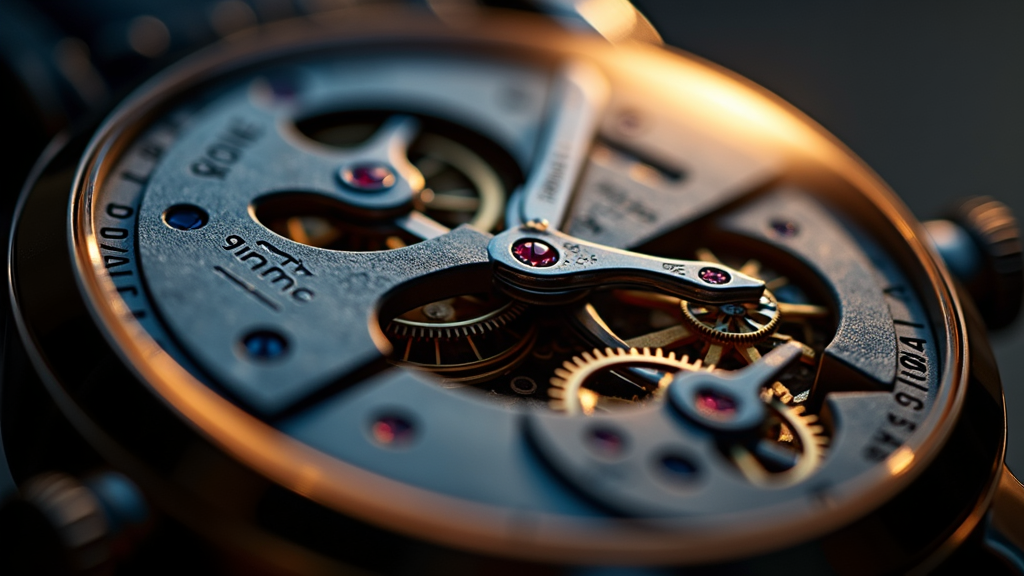
The Geneva Seal: What That Tiny Stamp Actually Means
If you've ever flipped over a high-end Swiss watch and noticed a tiny crowned shield engraved into a bridge, you've seen one of horology's most exclusive credentials. It's called the Poinçon de G...
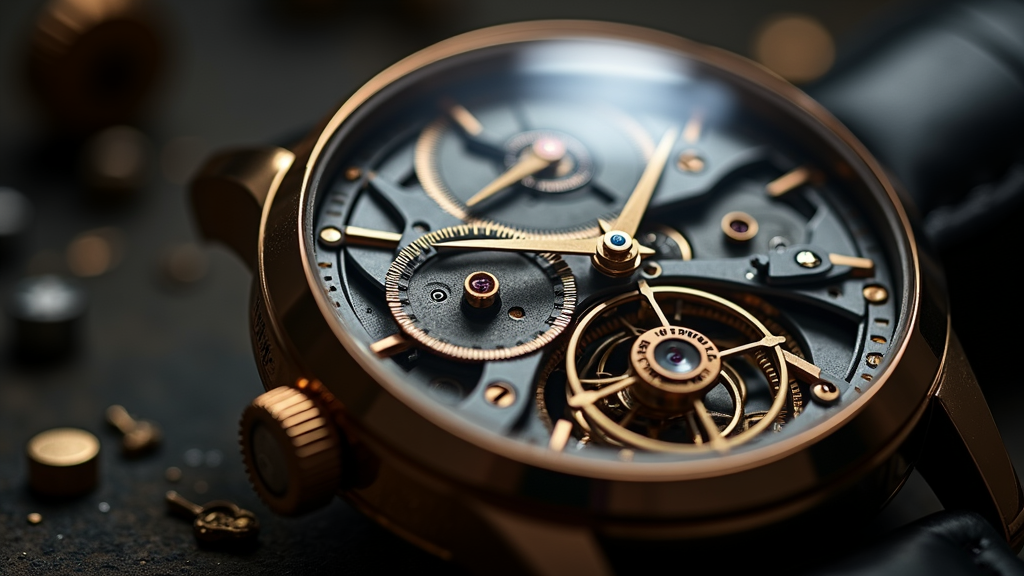
The Power Reserve Indicator: A Window Into the Mainspring
Most watch complications tell you something about the world — the date, the moon, the time in another city. The power reserve indicator is different. It tells you something about the watch itsel...