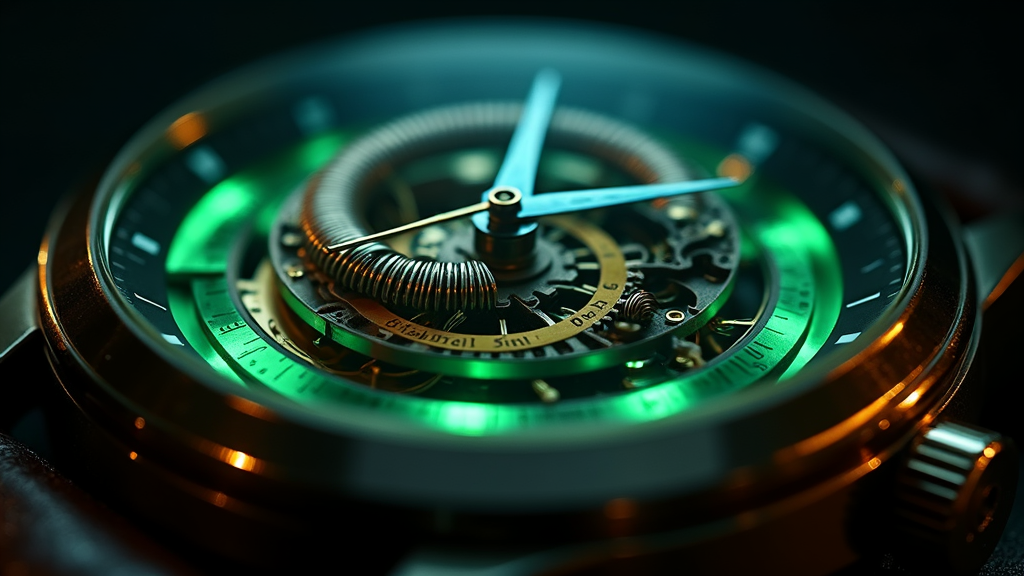
The Tuning Fork Watch: How Bulova's Accutron Hummed Its Way Into History
For four centuries, every watch worth wearing kept time the same way: a spring pushed a wheel, a wheel nudged an escapement, and an escapement let a balance swing back and forth. Tick. Tock. It w...
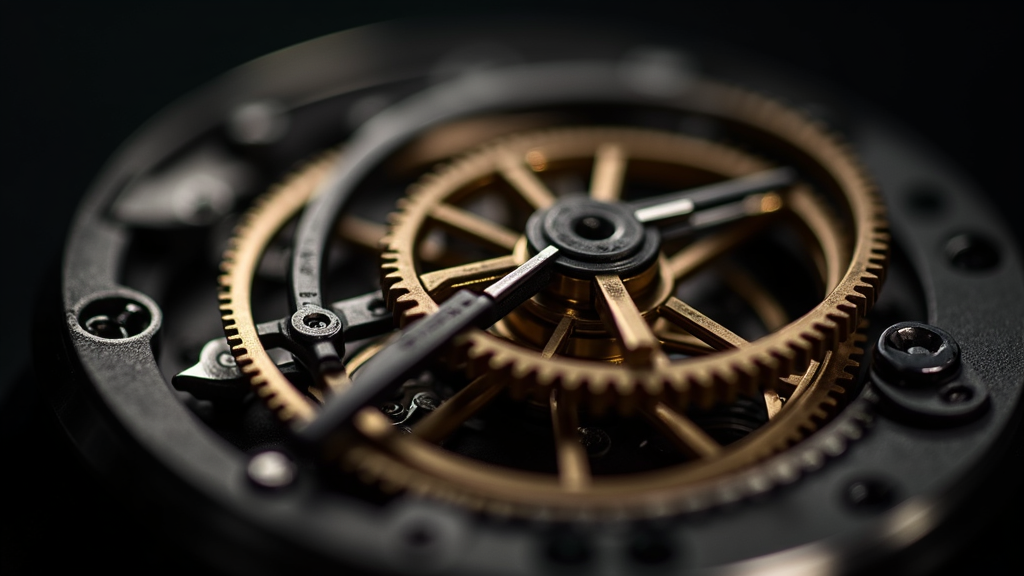
The Column Wheel: The Mechanical Conductor Behind the Finest Chronographs
Press the pusher on a fine chronograph and something small happens that you can feel more than see: a crisp, positive click, the second hand leaping to life with zero hesitation. Press it on a le...
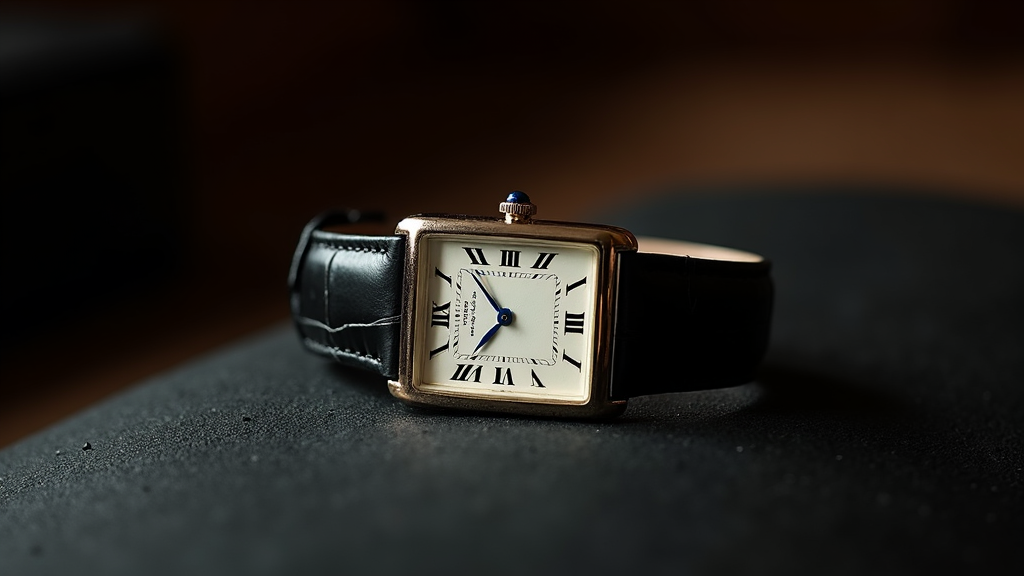
The Cartier Tank: How a WWI Battlefield Inspired the Most Elegant Watch Ever Made
Some watches tell time. A rare few tell a story about design itself. The Cartier Tank is one of those watches — a rectangular sliver of restraint that has outlived the century that created it, an...
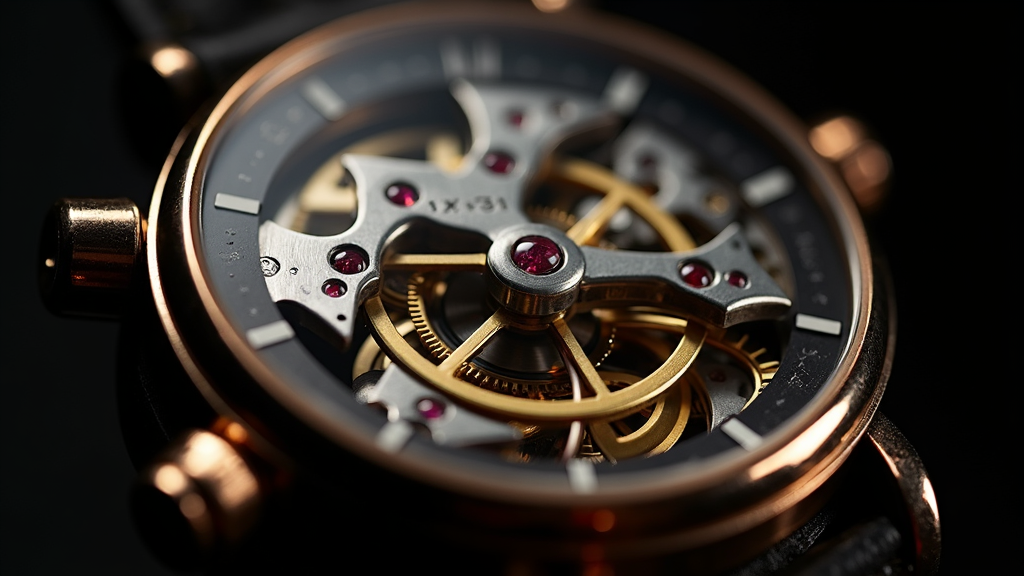
The Balance Wheel: The Oscillating Heart That Keeps Mechanical Time
Every mechanical watch on your wrist owes its accuracy to a single spinning disc no wider than a shirt button. It swings back and forth several times a second, day and night, for years on end — a...
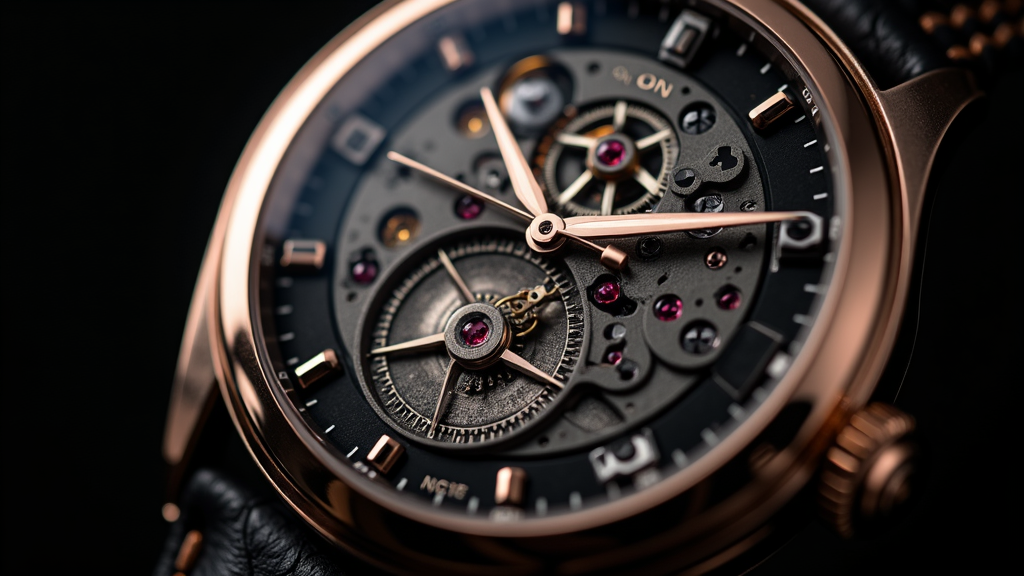
The Automatic Rotor: How Your Watch Winds Itself
There is a small piece of metal spinning silently on the back of your mechanical watch right now, harvesting the motion of your wrist and converting a lazy afternoon of typing into stored energy....
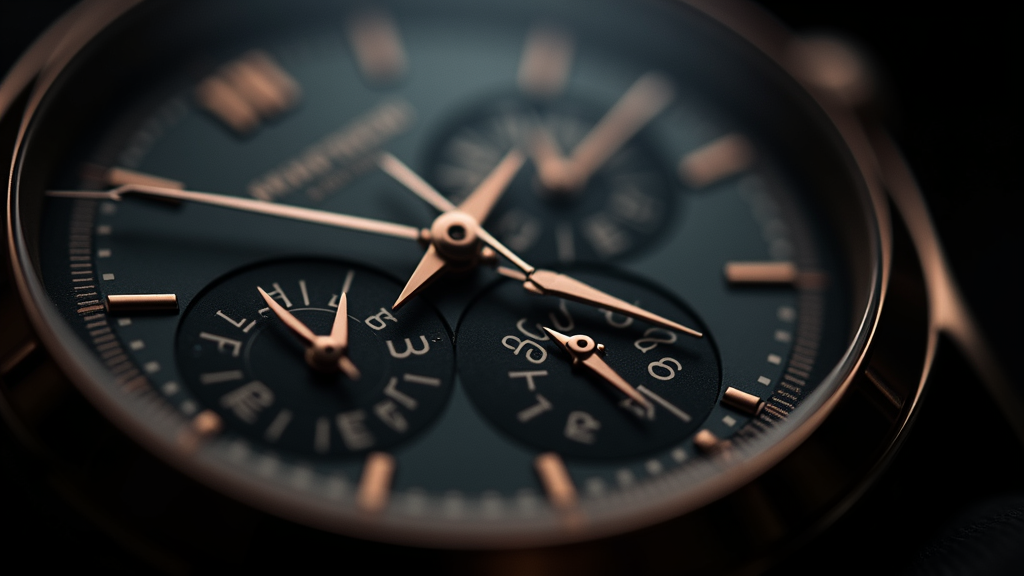
The Régulateur Dial: Why Watchmakers Separate the Hours, Minutes, and Seconds
Most watch dials are a beautiful compromise. Three hands sweep across a single track, overlapping, crossing, occasionally hiding one another at the top of the hour. We are so used to this arrange...