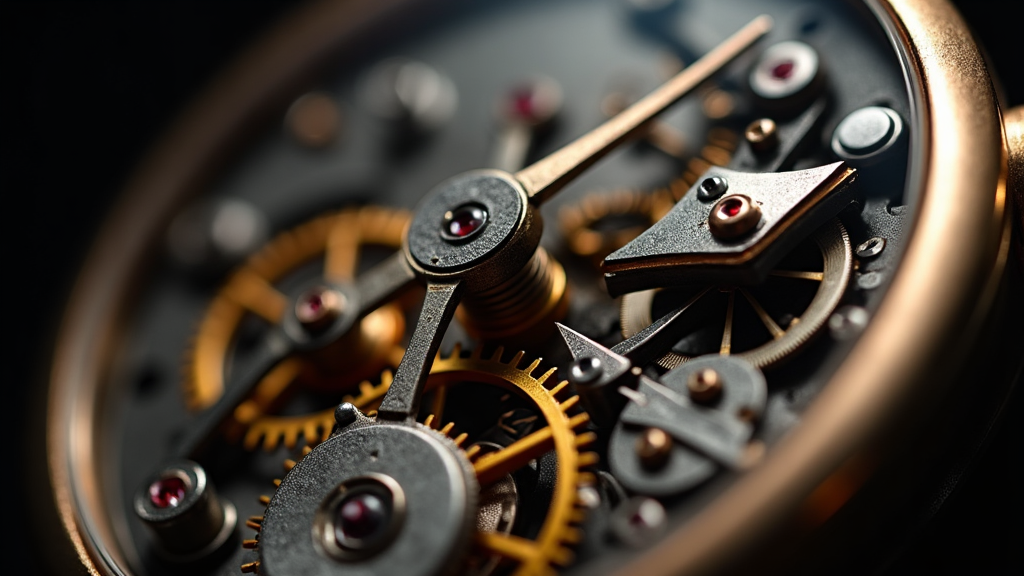
Fusée and Chain: Watchmaking's Constant-Force Cathedral
Inside the most revered mechanical watches ever built sits a mechanism that looks less like clockwork and more like miniature industrial machinery: a tiny brass cone wrapped in a chain no thicker...
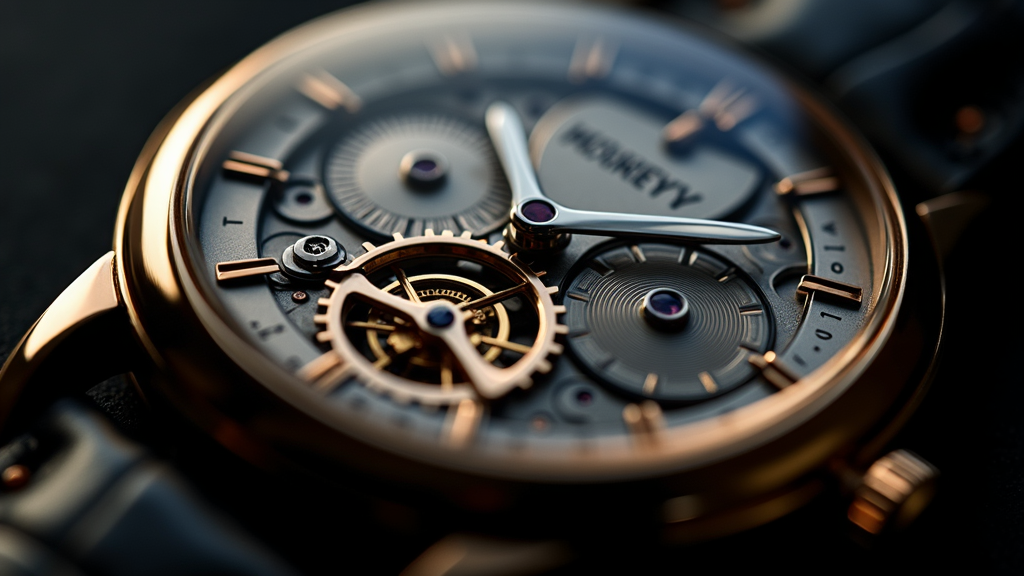
The Split-Seconds Chronograph: Horology's Hardest Timing Trick
Most chronographs answer one question: how long did something take? The split-seconds chronograph — the rattrapante, from the French for "to catch up" — answers two at once. It can time two event...
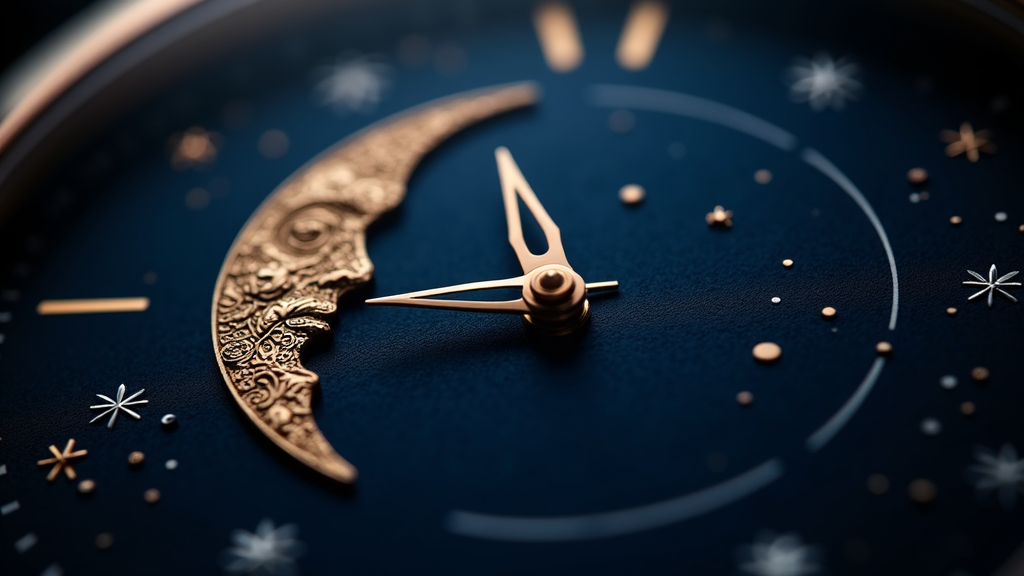
The Moon Phase Complication: Tracking the Sky on Your Wrist
Of all the complications a mechanical watch can carry, the moon phase is the most romantic. It serves no urgent purpose. It does not help you board a flight, time a lap, or remember your annivers...
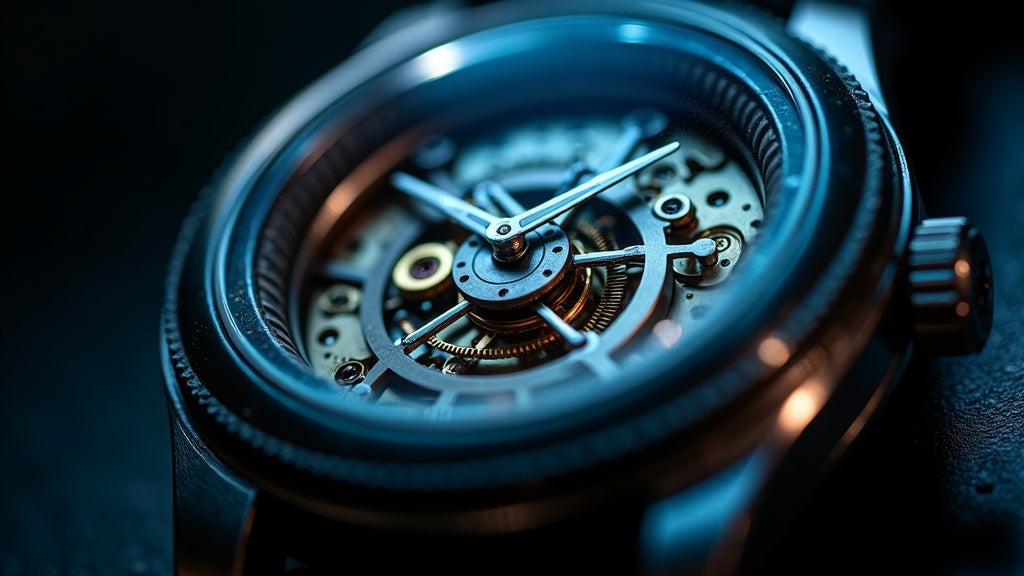
Antimagnetic Watches: How Horology Beat the Modern World
You can't see them, but they're everywhere. Speakers in your headphones, the magnetic clasp on your laptop bag, the induction cooktop, even the back of your phone. Magnetic fields are the invisib...
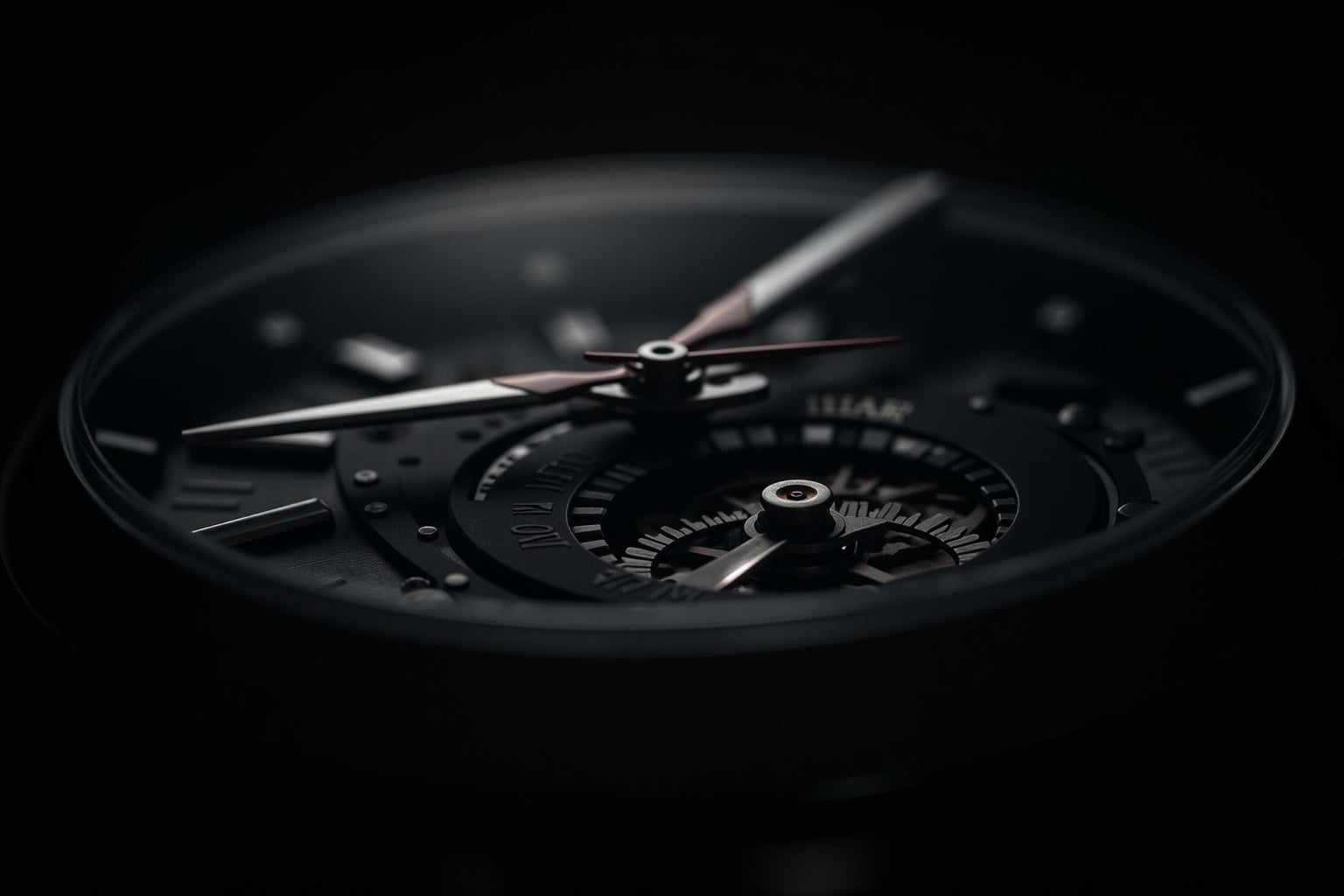
The Retrograde Display: Watchmaking's Theatrical Trick
It's the closest thing watchmaking has to theater. A hand sweeps confidently across an arc, reaches its limit, and then — in a single, satisfying snap — flies back to zero to begin again. The ret...
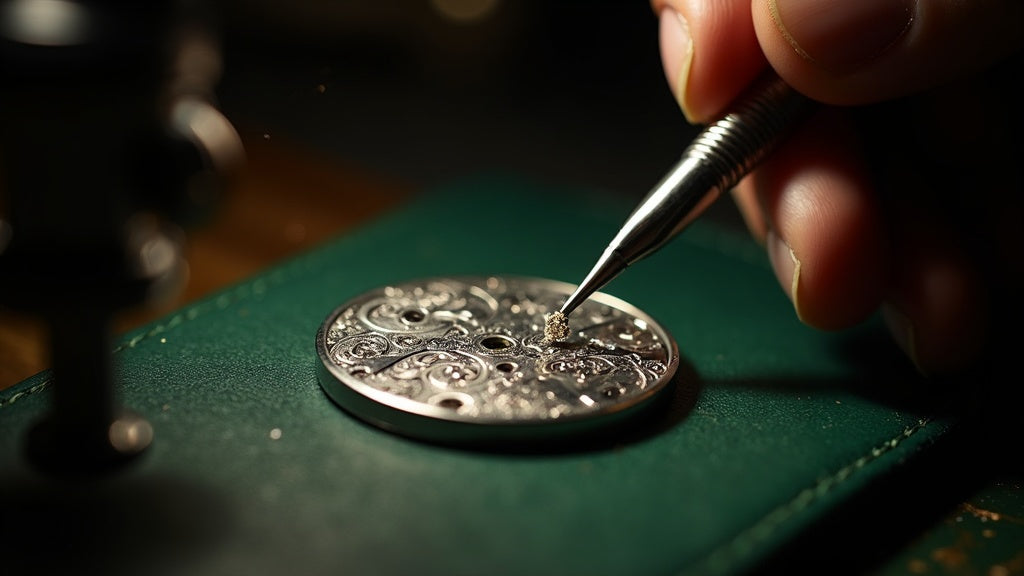
Hand-Engraving Watch Movements: The Bulino Tradition
Switch on a 10x loupe and tilt a finely engraved bridge under a desk lamp. The light doesn’t just bounce off the metal—it travels. Tiny troughs cut by a steel burin catch the beam, throw it sidew...