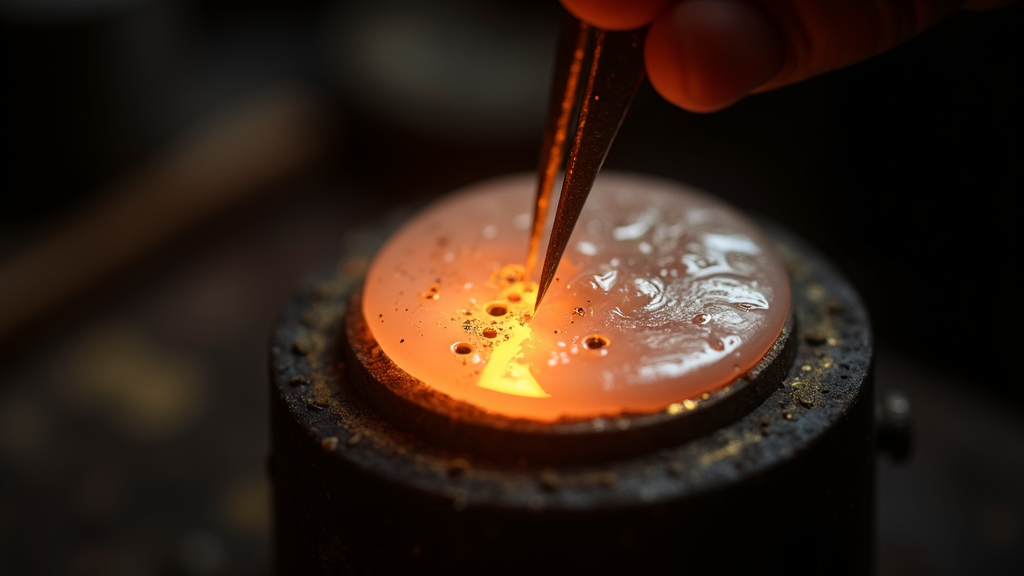
Grand Feu Enamel: The 800°C Art Hidden on Watch Dials
A grand feu enamel dial is one of the few things on a wristwatch that has not changed in 300 years. The kiln is the same. The temperatures are the same. The failure rate is, almost cruelly, also...
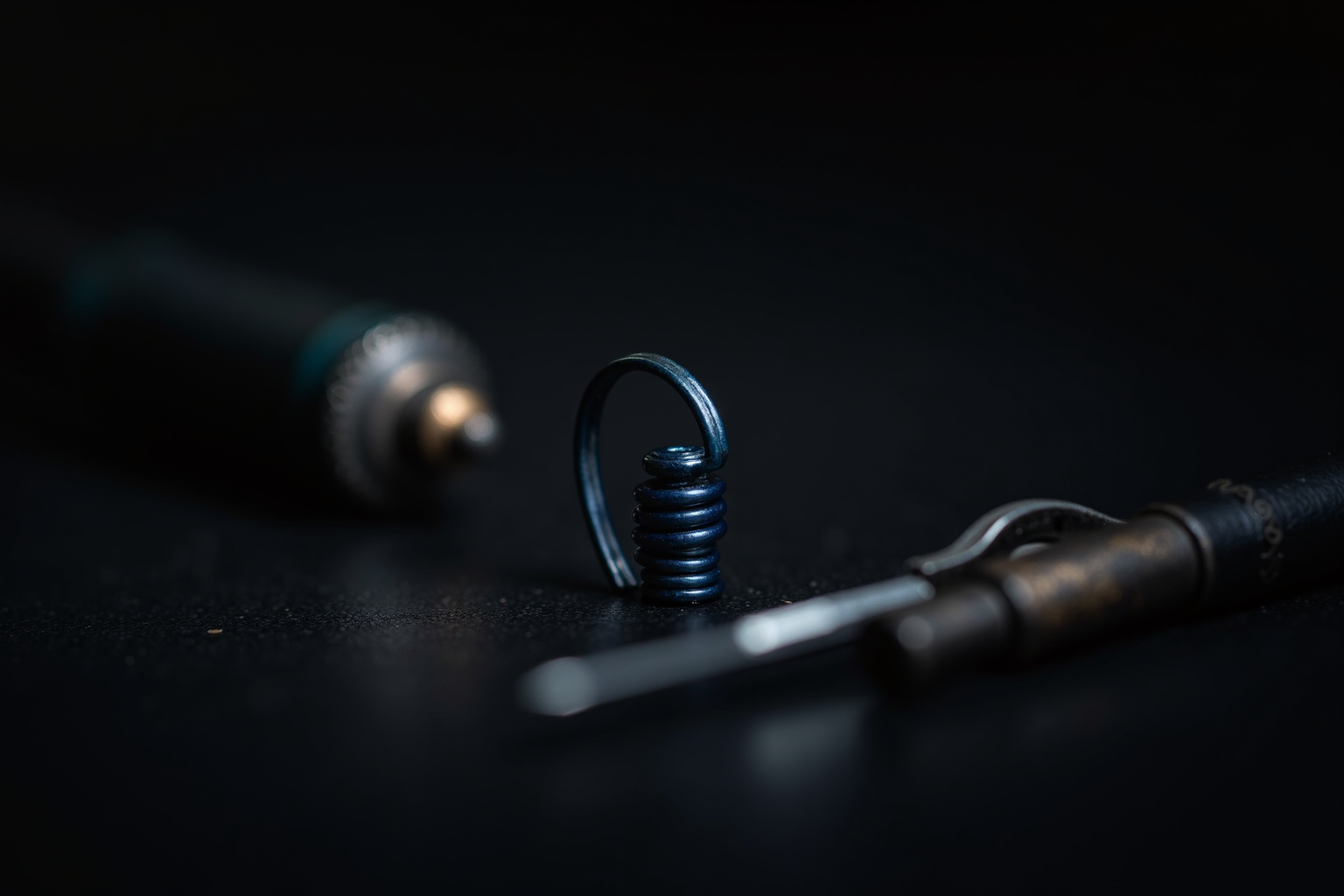
The Hairspring: Watchmaking's Most Important 0.05-Gram Component
Inside every mechanical watch, a microscopic coil of metal — thinner than a human hair, lighter than a grain of rice — flexes thousands of times an hour to make time itself measurable. It is call...
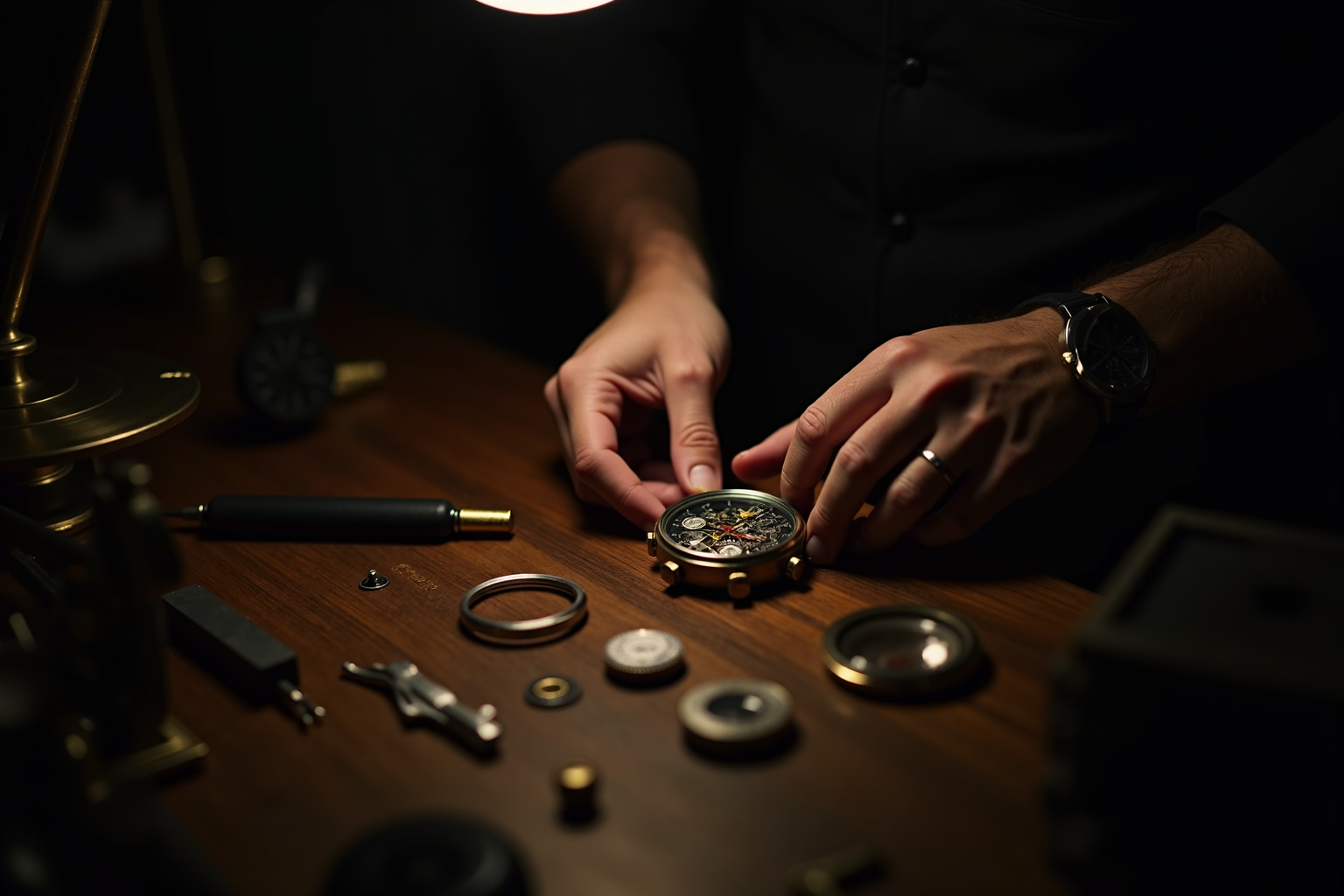
The Rise of Independent Watchmaking: Why Small Ateliers Matter Now
For most of the twentieth century, watchmaking belonged to the conglomerates. Today, the most exciting work in horology is happening in workshops with fewer employees than your local coffee shop ...
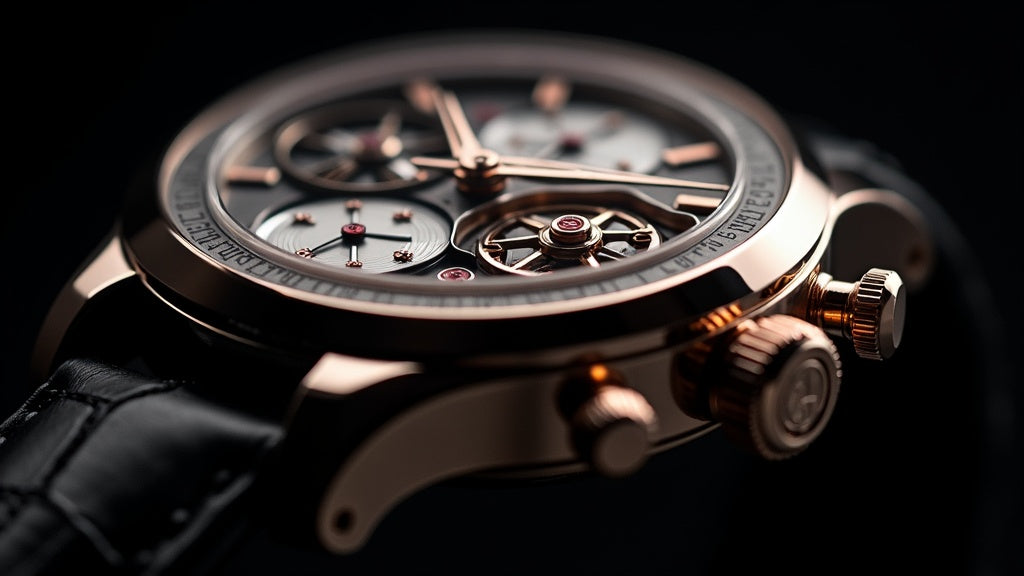
The Chronograph: Watchmaking's Stopwatch on a Strap
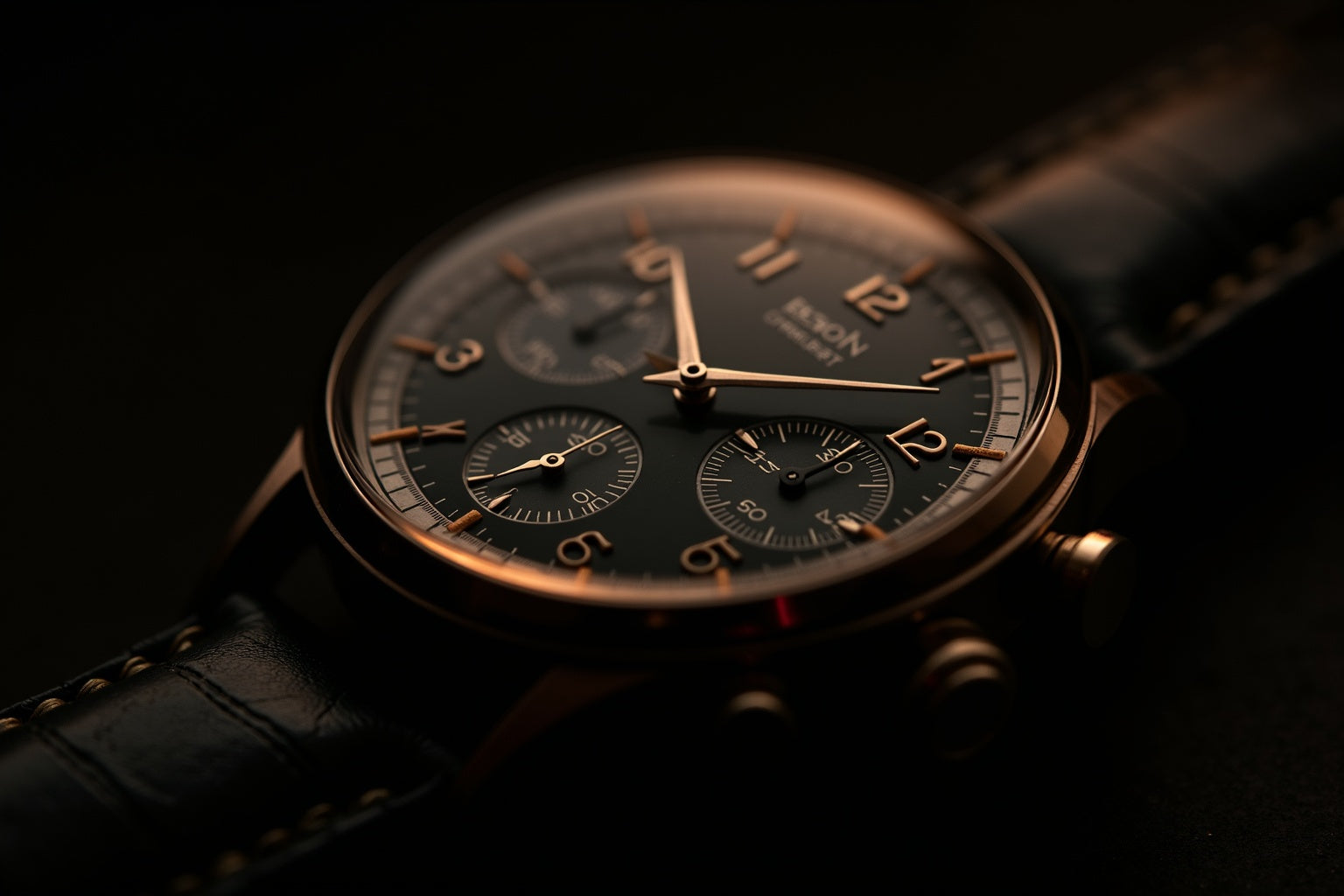
Press the top pusher. A second hand sweeps to life from twelve, gliding across the dial in a single, fluid motion. Press it again — it freezes mid-air. A third press, and it snaps back to zero wi...
The Paul Newman Daytona: A $17 Million Legend
In October 2017, a stainless-steel wristwatch sold at Phillips auction in New York for $17.8 million. It was not gold. It had no diamonds. It contained roughly $30 worth of base materials. Yet a...
Antimagnetic Watches: How Horology Beat the Modern World
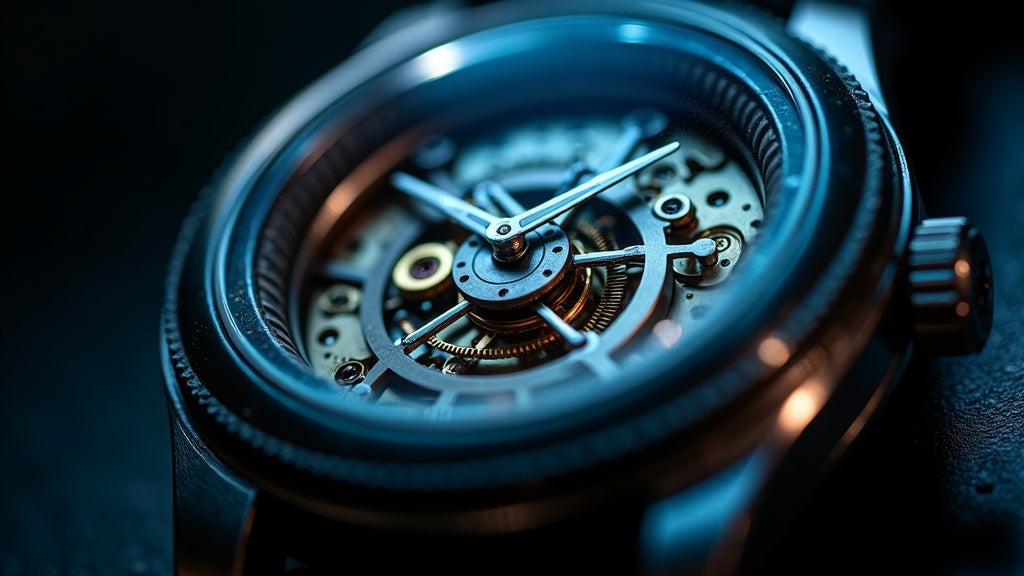
You can't see them, but they're everywhere. Speakers in your headphones, the magnetic clasp on your laptop bag, the induction cooktop, even the back of your phone. Magnetic fields are the invisib...