
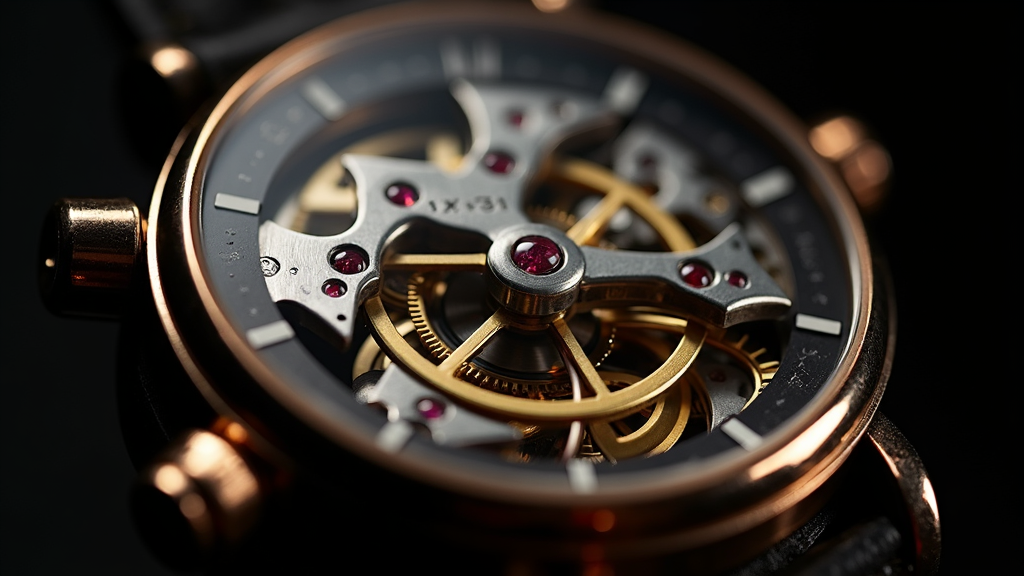
The Balance Wheel: The Oscillating Heart That Keeps Mechanical Time
Every mechanical watch on your wrist owes its accuracy to a single spinning disc no wider than a shirt button. It swings back and forth several times a second, day and night, for years on end — a...
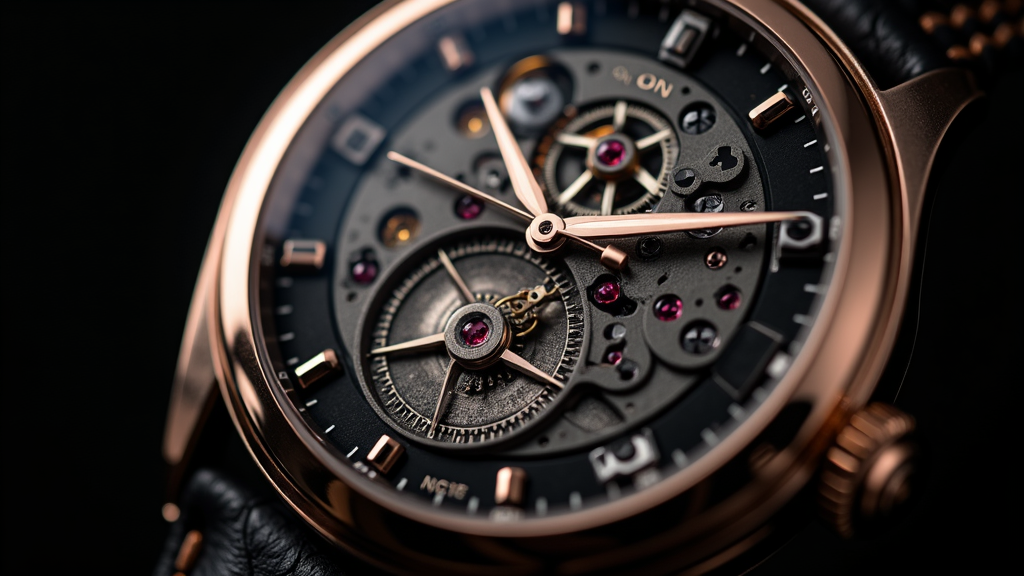
The Automatic Rotor: How Your Watch Winds Itself
There is a small piece of metal spinning silently on the back of your mechanical watch right now, harvesting the motion of your wrist and converting a lazy afternoon of typing into stored energy....
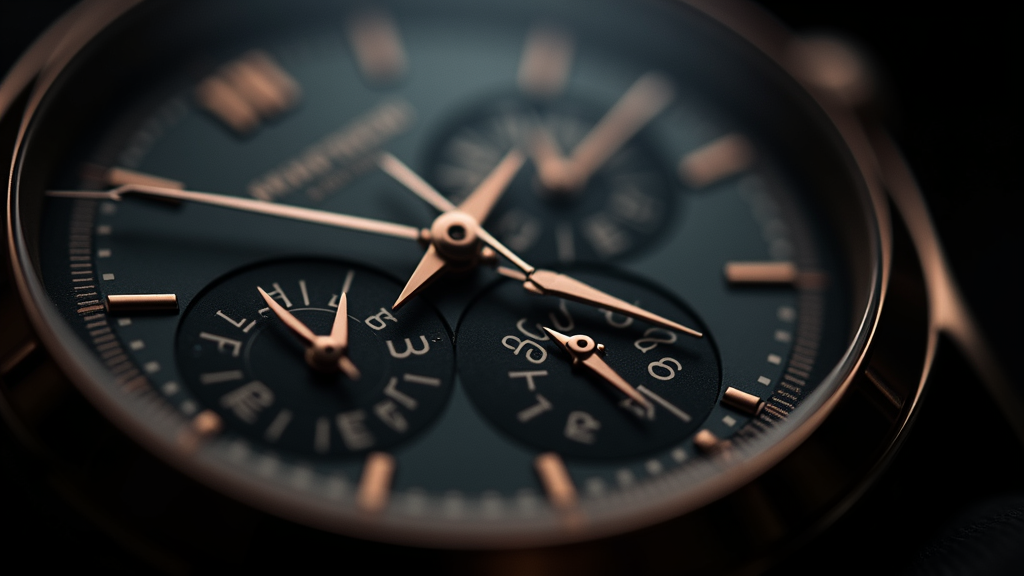
The Régulateur Dial: Why Watchmakers Separate the Hours, Minutes, and Seconds
Most watch dials are a beautiful compromise. Three hands sweep across a single track, overlapping, crossing, occasionally hiding one another at the top of the hour. We are so used to this arrange...
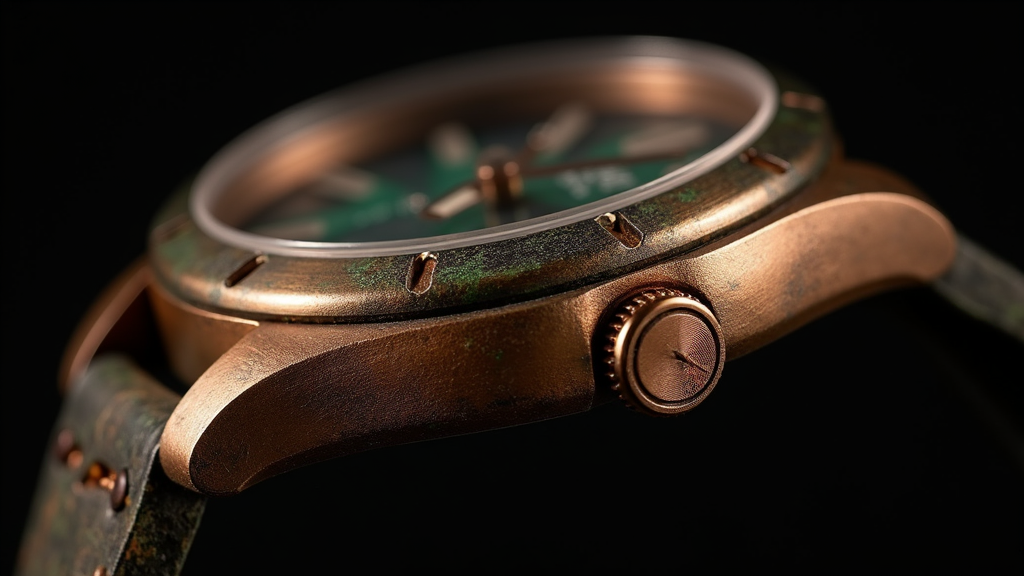
Bronze Watches: The Metal That's Meant to Age
Most watch materials are chosen to resist change. Stainless steel shrugs off corrosion. Ceramic laughs at scratches. Titanium ignores the years. Bronze does something almost heretical by comparis...
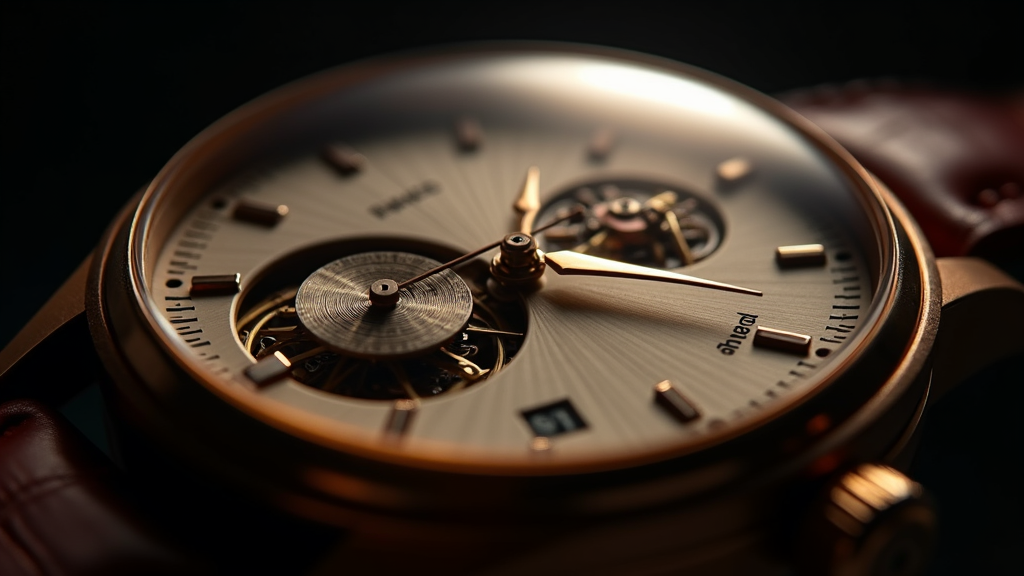
The Alarm Watch: Horology's Original Wake-Up Call
The Complication That Refused to Whisper Most mechanical complications are quiet triumphs. A tourbillon spins in silence. A perpetual calendar keeps its counsel until the last day of February. Bu...
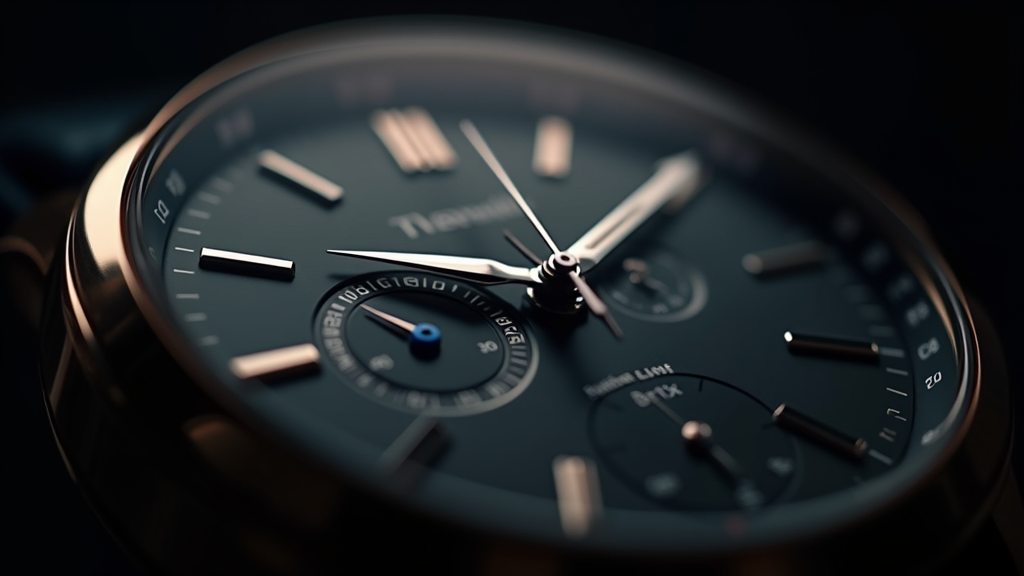
The Dead-Beat Seconds: Horology's Ticking Paradox
There is a delicious irony hiding inside one of watchmaking's most exclusive complications. For centuries, mechanical watchmakers have chased the ideal of a perfectly smooth, gliding seconds ha...