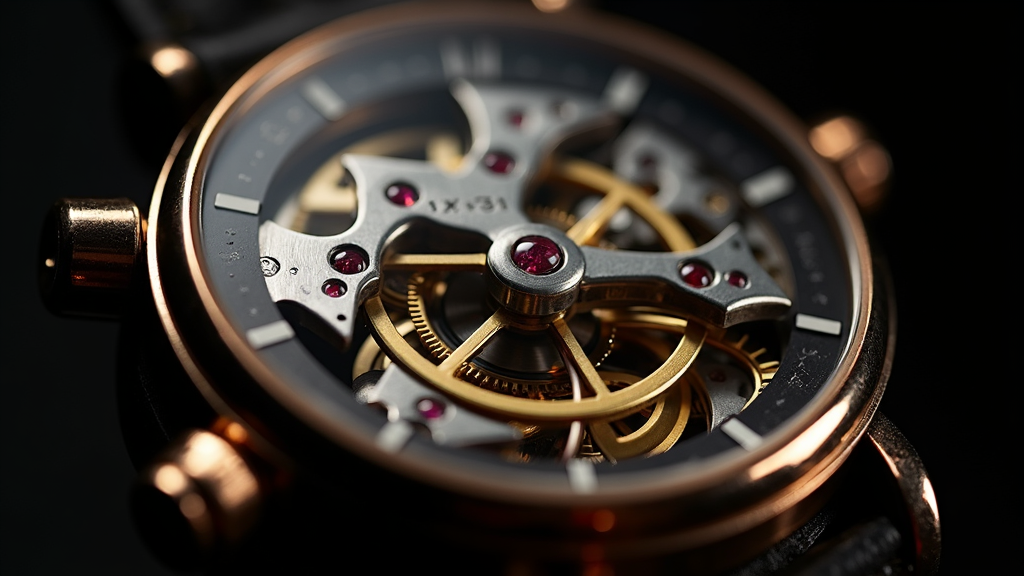
The Balance Wheel: The Oscillating Heart That Keeps Mechanical Time
Every mechanical watch on your wrist owes its accuracy to a single spinning disc no wider than a shirt button. It swings back and forth several times a second, day and night, for years on end — a...
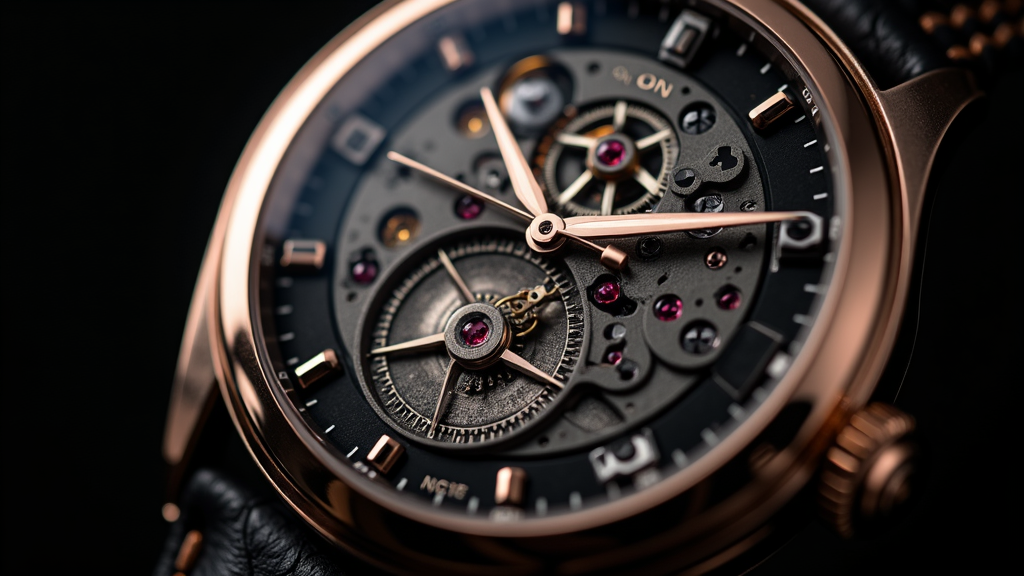
The Automatic Rotor: How Your Watch Winds Itself
There is a small piece of metal spinning silently on the back of your mechanical watch right now, harvesting the motion of your wrist and converting a lazy afternoon of typing into stored energy....

The Co-Axial Escapement: How One Watchmaker Reinvented the Heart of the Mechanical Watch
For roughly 250 years, the lever escapement reigned as the undisputed engine of the mechanical watch. It worked. It was reliable. And almost nobody dared to touch it. Then a self-taught English w...
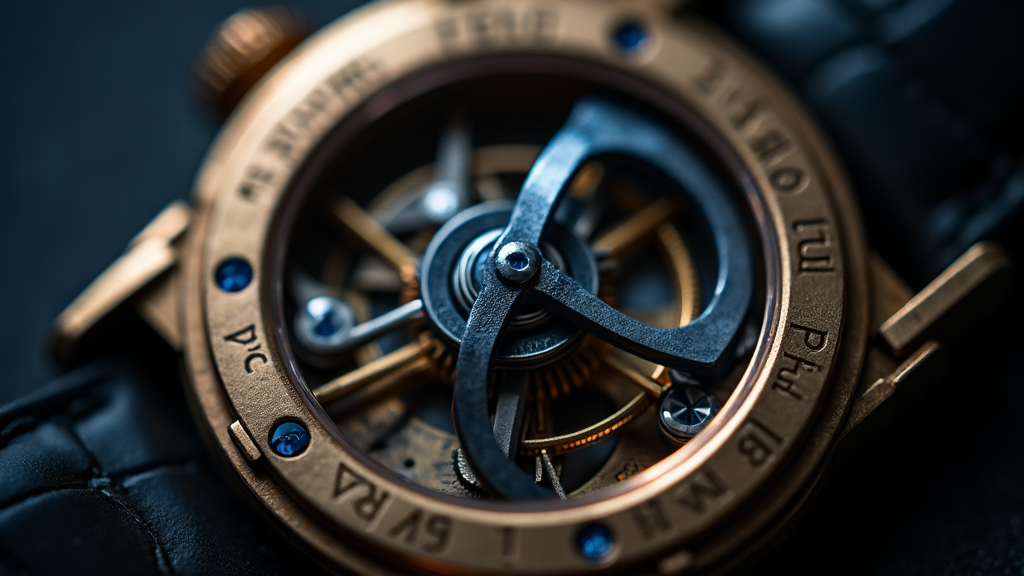
The Mainspring and Barrel: How a Mechanical Watch Stores a Day of Energy
Wind the crown of a mechanical watch and you are doing something quietly remarkable: storing the energy that will animate hundreds of tiny components for the next day or two. No battery. No outle...
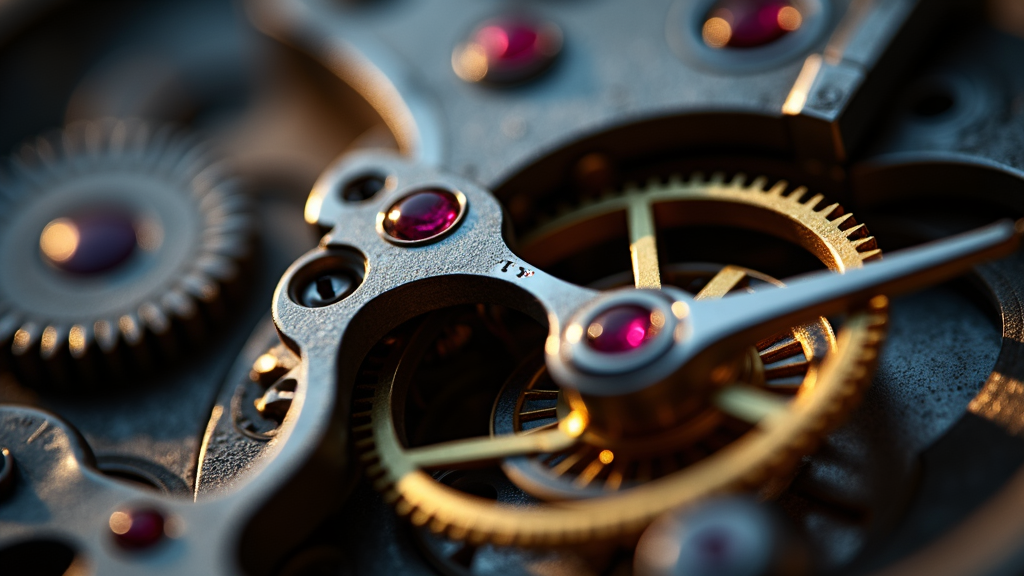
The Escapement: The Heartbeat Mechanism Inside Every Mechanical Watch
Pop open the back of any mechanical watch and you will see dozens of components turning in concert — gears, springs, levers, jewels. But all of that machinery exists to serve a single, tiny mec...
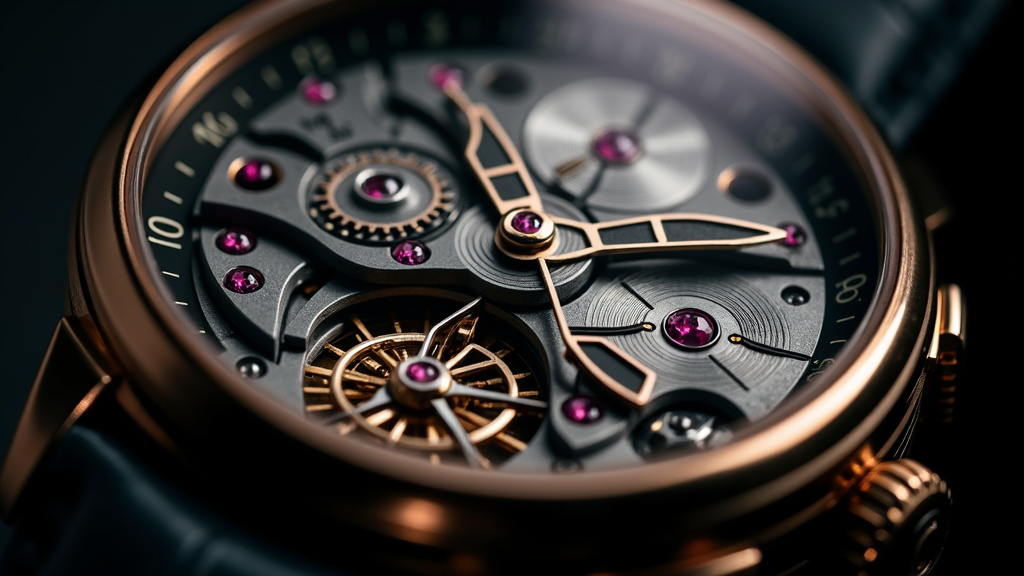
The Anatomy of a Watch Movement: A Visual Tour of What's Ticking on Your Wrist
Pop the back off a fine mechanical watch and you are looking at a self-contained universe. A few hundred parts, some no thicker than a human hair, all conspiring to track the passage of time withi...